INSIDE
Tiny bubbles under pressure
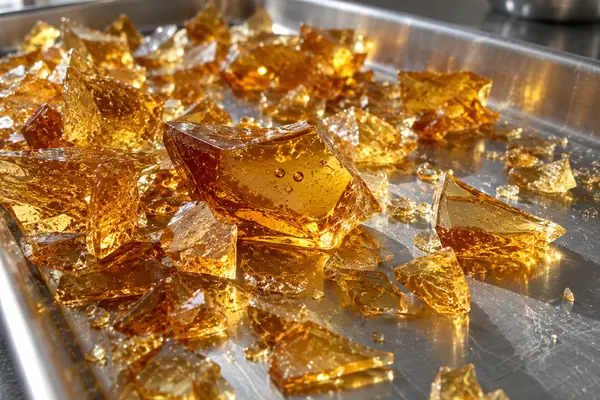
Each piece holds small bubbles of carbon dioxide that stay at high pressure because the hard sugar around them will not let them out.
See the numbers candyjumper
THE SCIENCE OF THE CRACKLE
Every crackle is a tiny bubble escaping.
600 PSI about 40 atmospheres
≈ 40× atmospheric Gas pressure used, compared with the air
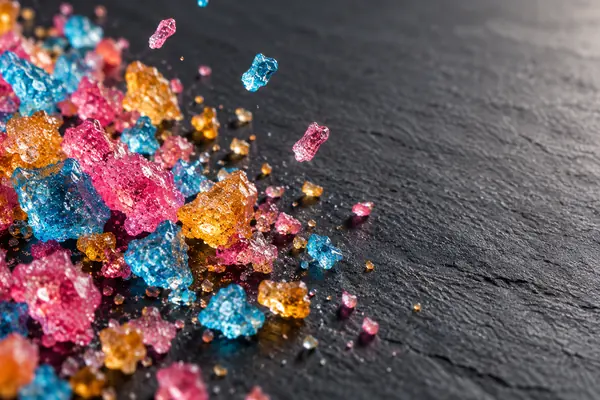
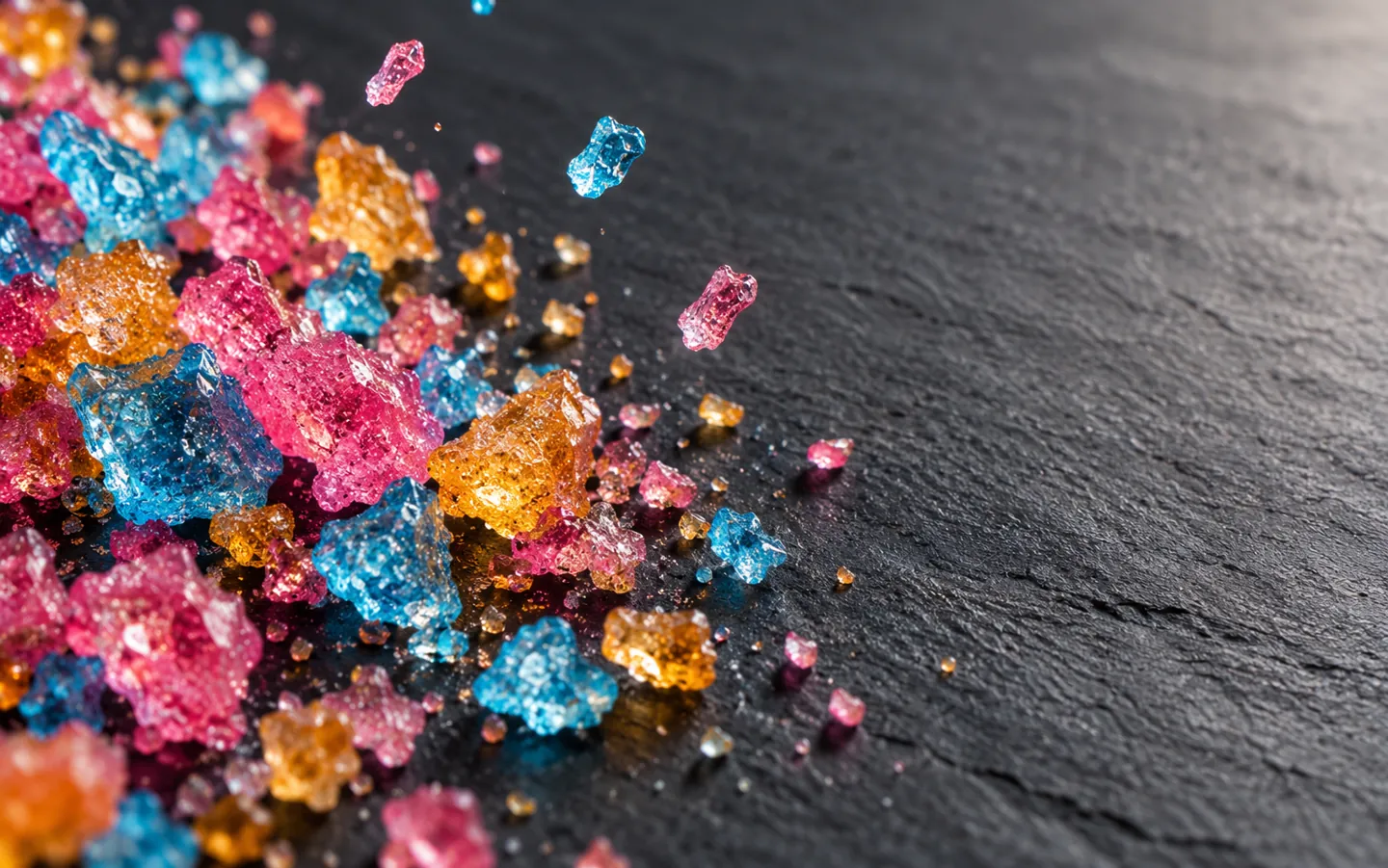
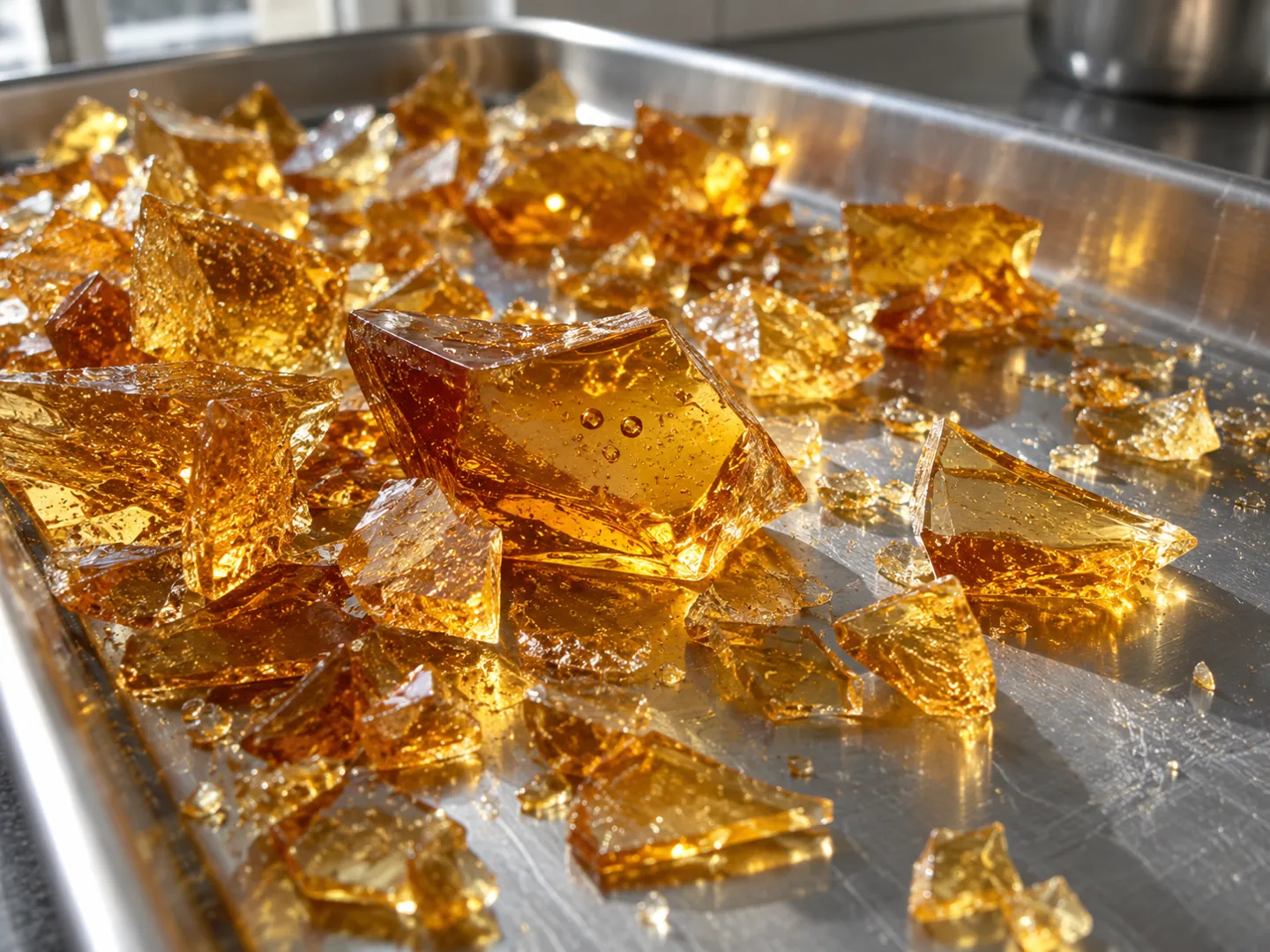
Popping candy is hard-boiled sugar that was cooled while carbon dioxide was pressed into it. The gas stays locked inside until warmth and saliva dissolve the walls around it.
THE SHORT ANSWER
No chemical reaction is needed.
It is stored pressure, like a fizzy drink in solid form.
INSIDE
Each piece holds small bubbles of carbon dioxide that stay at high pressure because the hard sugar around them will not let them out.
See the numbersMAKING IT
Molten sugar is stirred with carbon dioxide at around 600 psi, then cooled. When the pressure is released, the candy breaks into small rocks.
How it is madeTHE POP
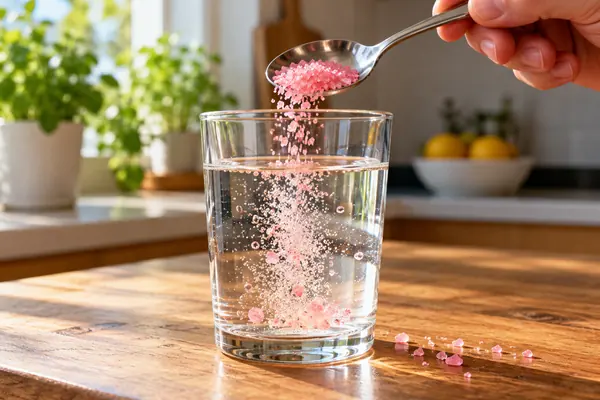
In your mouth, warmth and moisture dissolve the sugar around each bubble and the gas escapes with a crack.
What sets it offA QUICK TRIGGER CHECK
Pick a situation to see how much popping it causes. The bar shows how strongly that situation releases the trapped gas.
Based on the original 1961 patent and science explainers from BBC Science Focus and the Naked Scientists.
THREE KITCHEN TESTS
These simple tests come from the Naked Scientists' kitchen experiment. They show the pop comes from stored gas, not from a chemical reaction.

Watch for streams of bubbles as the sugar dissolves. Compare it with a pinch of ordinary sugar.
Press them under a spoon or in a pestle and mortar. If they crackle while dry, the gas was trapped inside.
Hold a dissolving piece near your ear. Each snap is a single high-pressure bubble breaking free.
TWO NUMBERS WORTH KNOWING
One figure on the pressure inside,
one on how much gas the sugar can hold.
≈ 40× atmospheric
Gas pressure used, compared with the air
The molten sugar is exposed to carbon dioxide at about 600 psi, around 40 times atmospheric pressure. BBC Science Focus says that is several times the pressure in a champagne bottle.
PRESSURE · NAKED SCIENTISTS
0.5–15 ml
Gas held per gram of sugar
The original patent claims a process in which the sugar takes up 0.5 to 15 millilitres of gas per gram, at pressures from 50 up to 1,000 psi.
GAS LOAD · 1961 PATENT
The patent's preferred pressure range was 400 to 800 psi. Its worked examples cooked the sugar to 160 °C and stirred it with carbon dioxide at 600 psi for 6 minutes.
HOW IT IS MADE
Sugars such as sucrose, lactose and corn syrup are heated until they melt, with very little water left. Carbon dioxide is pressed into the molten sugar, and it is cooled under pressure so the gas cannot escape as it hardens.
When the pressure is released, the gas tries to escape like a bottle being opened, but the sugar is already setting, so it shatters into small rocks. The tiny bubbles left inside are still at high pressure, waiting for your tongue.
Questions
No. Sherbet fizzes because an acid and a carbonate react to make carbon dioxide. Popping candy already contains the gas, which is why crushed dry pieces still crackle.
The process was patented in the United States on 12 December 1961, by two inventors working for a food company, after an application filed in January 1959.
A 2009 study in Science found the sour-sensing taste cells detect carbonation, using an enzyme called carbonic anhydrase 4 that turns carbon dioxide into bicarbonate and protons.
Mixing sugars gives a hard candy that absorbs less water from the air. The patent says 30% lactose with sucrose gave a hard product with low hygroscopicity and reduced stickiness.
The patent suggested the gas-filled sugar could store carbon dioxide at room temperature and be used to carbonate drinks or as a leavening agent in baking.
Updated
ABOUT THIS NAME
candyjumper.com is part of the DoodleSale portfolio. It isn't in an auction right now, but you can ask about leasing it.